Here is a problem that city pet owners rarely think about and rural ones know intimately.
Your dog needs a complicated surgery. Not a routine spay, something harder, an orthopedic repair or a complex soft-tissue procedure. Your local vet is good, kind, and trusted, but they do not perform that operation. So they refer you out.
“Out” means a specialty hospital. Which means a two or three hour drive, each way, for the consult, then again for the surgery, then again for the recheck. It means a much higher bill. And it means your already-stressed animal spends hours in a car, away from the team that knows them.
For a lot of families, that distance is not just inconvenient. It is the thing that makes them hesitate, delay, or decline care their pet needs.
So it matters, enormously, when a local clinic can do the hard procedures in-house.
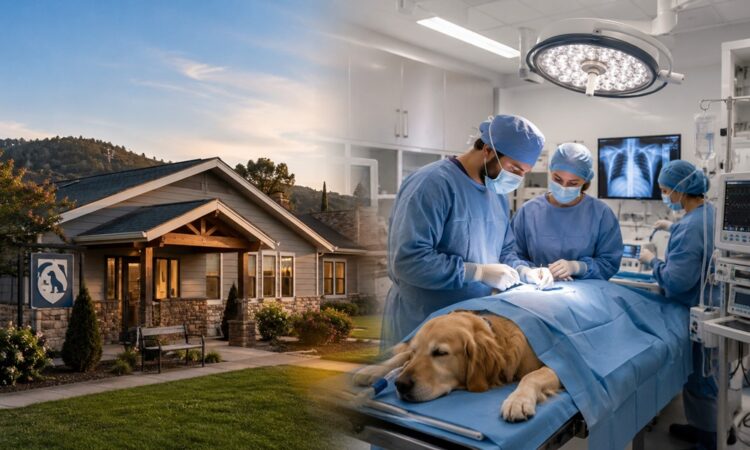
Happy Tails Veterinary Clinic in Princeton, West Virginia, is built around exactly this. It is a full-service practice whose team includes general veterinarians and surgeons treating cats and dogs, and it has brought in surgical capability specifically so that pets needing complex operations do not have to be sent hours away to get the help they require. For families seeking skilled veterinary professionals with a caring approach in southern West Virginia, having advanced surgery available locally is not a small thing. It reshapes what care is even possible.
The rural veterinary access problem, plainly
Rural pet care faces a stack of challenges that urban owners never encounter.
Distance. Specialty veterinary hospitals cluster in and around cities. If you live in a small town, the nearest board-certified surgeon or specialty center may be a long drive away. That distance applies to every visit: consult, procedure, and follow-up.
The travel toll on the animal. A sick or injured pet does not travel well. Hours in a car add pain, stress, and risk to an animal that is already compromised. For some conditions, the drive itself is a genuine medical concern.
Cost stacking. A distant referral is rarely just the surgery. It is fuel, time off work, sometimes an overnight stay, plus specialty-center pricing on top. The total can push a needed procedure out of reach.
Continuity breaks. When your pet is treated hours away by a team that has never met them, the clinic that knows your animal’s history is out of the loop at the exact moment history matters most.
The quiet outcome. All of this adds up to a hard truth: distance causes some rural pets to go without care they would have received if it were local. The barrier is not always money or willingness. Sometimes it is just miles.
What changes when surgery comes to the small town
When a community clinic adds surgical capability, several things improve at once.
Shorter, easier travel. Care happens close to home. The animal is spared the long haul, and the family is spared the logistics.
Continuity of care. The team performing or coordinating the surgery is the team that already knows your pet, their history, their temperament, and their baseline. That knowledge improves decisions.
Lower total cost. Removing hours of travel, time off, and out-of-town pricing brings the real, all-in cost of a procedure down, even before comparing surgical fees.
Access that actually gets used. When advanced care is nearby, families say yes to it. The procedure that felt impossible at three hours away becomes doable at twenty minutes.
Faster response. For time-sensitive surgical problems, local capability means less delay between diagnosis and treatment.
The kinds of procedures that used to mean a long drive
Complex veterinary surgery covers a wide range. The procedures most likely to trigger a distant referral include:
- Orthopedic surgeries, such as cruciate ligament repairs, fracture fixation, and joint procedures
- Complex soft-tissue surgeries, including certain abdominal and thoracic operations
- Mass and tumor removals that require careful margins or difficult locations
- Foreign body removals when the object has caused an obstruction
- Certain emergency surgeries where speed changes the outcome
For each of these, the traditional rural experience was: diagnosis locally, surgery far away. Local surgical capability collapses that into a single relationship in a single place.
Why “caring approach” is not just a nice phrase
The anchor here is about skilled professionals with a caring approach, and in a rural setting those two things reinforce each other in a specific way.
Skill without access is frustrating. A caring team that has to keep sending pets away cannot fully help them. Access without continuity is cold. A distant specialist who never sees your animal again cannot build the relationship that good care depends on.
Combining local skill with a caring, relationship-based approach gives rural families the thing they actually want: someone who is both capable of the hard procedures and invested in the animal as an individual. In a small community, the vet is often a neighbor. That is not a weakness. It is a reason the care is personal.
The caring approach also shows up in the hard moments. Rural clinics are frequently where families face the most difficult decisions, from grave diagnoses to end-of-life care. Having a compassionate, trusted team for those conversations, close to home, matters as much as any surgical skill.
What to ask any clinic about surgical capability
If you live rurally and want to understand what your local clinic can handle, ask directly:
- What surgeries do you perform in-house, and which do you refer out? Get specifics.
- Who performs the surgery, and what is their surgical experience?
- What is your protocol for anesthesia and patient monitoring? This is a core safety question for any surgery.
- How do you handle post-operative care and rechecks?
- What is your after-hours and emergency policy? Know this before you need it.
- If something is beyond your scope, where do you refer, and do you coordinate with them? A good clinic knows its limits and has strong referral relationships for what it does not do.
That last point is important. Local capability does not mean a clinic should attempt everything. The mark of a good rural practice is knowing exactly what it can do well in-house and having trusted partners for the rest.
The financial reality, handled honestly
Advanced surgery is a significant expense anywhere. Rural families often feel it acutely. Practical options worth knowing:
- Pet insurance covers accidents and illness, but only if purchased before the problem exists. It does nothing for a condition your pet already has.
- Wellness plans help spread the cost of routine care.
- Financing options like CareCredit and similar programs let large, unexpected costs be paid over time rather than all at once.
- In-house pharmacy and product sourcing can sometimes reduce medication costs.
The single best financial move is to insure a healthy pet early, before anything develops, because pre-existing conditions are excluded. If your pet is already healthy today, that is the window.
Frequently asked questions
Why would I choose a local clinic over a big specialty hospital for surgery? For many procedures, a capable local clinic offers shorter travel, continuity with a team that knows your pet, and lower total cost. For the most specialized procedures, a referral center is still the right call. A good local clinic knows which is which and will tell you honestly.
Is surgery at a general clinic as safe as at a specialty center? Safety depends on the specific procedure, the surgeon’s experience with it, and the anesthesia and monitoring protocols, not simply on the building. For procedures within a clinic’s competence, a well-run general practice with surgical capability is a legitimate choice. Ask about their experience with your pet’s specific surgery.
How much does the long drive to a specialty center really add? Beyond fuel and time off work, distant care can mean overnight stays and specialty-center pricing, and it adds stress and risk to an already-compromised animal. The all-in cost and toll are often much higher than the surgical fee alone suggests.
What should I do if my pet needs surgery my local vet doesn’t perform? Ask where they refer and whether they will coordinate with that center. A strong referral relationship keeps your pet’s history connected even when the procedure happens elsewhere.
Can rural clinics handle emergencies? Policies vary widely, so confirm the after-hours and emergency arrangement of your clinic before you need it. Some offer after-hours support or relationships with nearby emergency facilities.
How do I make advanced care affordable? Insure a healthy pet early, before conditions develop, since pre-existing conditions are excluded. For existing needs, ask about financing options that spread payments over time.