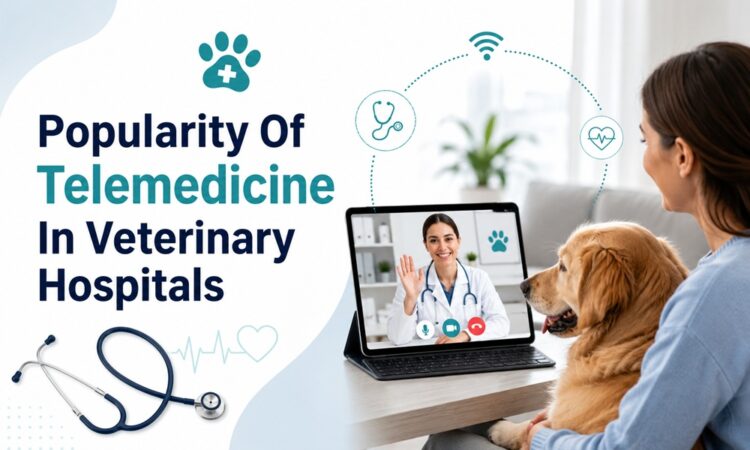
You might be feeling a mix of worry and guilt right now. Your pet needs care, your schedule is packed, traffic is a headache, or your animal gets stressed the moment the carrier comes out. You keep hearing about telemedicine for pets, yet you are not sure what it really is, when it is safe to use, or whether it is just a shortcut that could miss something important. A St. Joseph vet can help you sort through these options and understand what is best for your pet.
That tension is real. Before, you simply booked an appointment, drove to the clinic, and saw the veterinarian face-to-face. Now, there is this “after” where video calls, online portals, and texted photos of rashes or ear infections are becoming part of normal veterinary care. You may be wondering if this shift is good for your pet or just convenient for everyone else.
Here is the short version. Telemedicine in veterinary hospitals is not meant to replace hands-on care. It is meant to extend it. Used properly, it can reduce stress for your pet, save you time and money, and help you get faster answers, while still keeping in-person exams at the center of good medicine.
So, where does that leave you when your pet actually needs help, and you are trying to choose between a video visit and a trip to the hospital?
Why are veterinary hospitals turning to telemedicine, and what does that mean for you?
Part of the push toward virtual care came from necessity. During lockdowns, many veterinary clinics had to find ways to keep pets safe while reducing the number of people in the building. Video consults, phone check-ins, and photo-based follow-ups became normal.
Now, even with clinics open, the demand has not faded. You might work long hours. You might live a long drive from the nearest practice. Your pet might be anxious, elderly, or difficult to transport. In all these situations, a virtual visit can feel like a lifeline.
At the same time, you may be afraid of something getting missed. What if that “simple” limp is actually a torn ligament? What if that mild cough is the first sign of heart disease? Because of these real risks, professional groups like the American Veterinary Medical Association have created detailed guidance on how telehealth should be used safely in animals. The core idea is simple. Telemedicine works best when it builds on an existing veterinary relationship, not when it replaces it.
This is why many veterinarians talk about virtual veterinary care rather than online quick fixes. The focus stays on the relationship with your pet’s doctor, and telemedicine is one of several tools they can use.
What can telemedicine in a veterinary hospital actually handle, and where are the limits?
To understand where telemedicine helps and where it falls short, it can help to think in “what if” stories.
Imagine your dog has a mild skin flare that looks similar to one your veterinarian has treated before. You send clear photos, your vet reviews your pet’s record, and you have a short video consult. The plan might involve a refill of medication and some changes to bathing or diet. No stressful trip. No time off work. This is the kind of situation where online vet consultations often shine.
Now, picture a different scenario. Your cat is breathing faster than normal. On video, the veterinarian might notice how the chest moves and hear your description. But they cannot listen to the heart or lungs with a stethoscope or check gum color in person. In that moment, responsible telemedicine is not about giving you a quick answer. It is about urging you to bring your cat in, possibly as an emergency, because waiting at home could be dangerous.
This is the balance. Telemedicine can be wonderful for follow-ups, behavior concerns, nutrition questions, long-term disease monitoring, and some minor issues. It is not meant for every situation, and any veterinarian who uses it correctly will be honest about those limits. Professional groups like the Veterinary Virtual Care Association have even published principles for safe veterinary telemedicine so that clinics keep medical quality at the center of these services.
So, how do you sort out when telemedicine is right for your pet, and when it is time to get in the car and head to the veterinary hospital?
Is telemedicine right for this problem, or should you visit the veterinary hospital in person?
When you are worried, it is very hard to be objective. A simple comparison can help you think through the choice with a clearer head.
| Situation | Telemedicine in a Veterinary Hospital | In-Person Veterinary Visit |
|---|---|---|
| Type of problem | Behavior issues, nutrition questions, chronic disease follow-ups, medication refills, minor skin or ear concerns that look familiar | Breathing problems, severe pain, trauma, vomiting with collapse, seizures, sudden weakness, anything clearly getting worse fast |
| What the vet can do | Review history, see photos or video, adjust meds, give guidance, decide if an in-person exam is needed | Full physical exam, imaging, lab work, procedures, treatments, immediate emergency care |
| Impact on your pet | Less travel stress, calmer at home, especially helpful for anxious, mobility-limited, or large pets | More stress for some animals, but more thorough and often safer for serious issues |
| Impact on your time and costs | Often shorter visits and lower cost, no commute, easier to fit into your day | More time commitment, sometimes higher cost, but can prevent complications by catching problems early |
| Risk of missing something | Higher if the problem is new, severe, or complex, because the vet cannot touch or test your pet | Lower, since the veterinarian can examine your pet directly and run tests if needed |
When you view it this way, you can see that telemedicine is a strong extension of care for the right situations. It is not a replacement for hands-on exams in emergencies or complex cases.
Three practical steps to use telemedicine wisely for your pet
- Ask your veterinary hospital what virtual services they offer and how they use them
Before you ever need an urgent visit, call or check your clinic’s website. Ask if they offer video consults, phone follow-ups, or photo reviews. Ask in what situations they recommend telemedicine and when they insist on in-person care. A good clinic will have clear policies that match current professional guidance.
This simple step removes guesswork later. When something comes up, you already know whether telemedicine is an option and how to request it.
- Prepare for a virtual vet visit as seriously as an in-person exam
Telemedicine works best when your veterinarian can see and hear clearly and has accurate details. Before the visit, write down your pet’s symptoms, when they started, and what has changed. Take well-lit photos or short videos of any limping, coughing, or skin issues. Weigh your pet if possible. Have medications and supplements nearby so you can show labels.
Treating a video visit like a “real” appointment improves the quality of care. It also helps your veterinarian decide if a hands-on exam is needed, which protects your pet from delayed treatment.
- Use telemedicine for continuity, not avoidance
It is tempting to use telemedicine to avoid the stress and cost of in-person visits. The safer approach is to use it to stay connected between those visits. For example, if your dog has arthritis, virtual check-ins can fine-tune pain control and exercise without dragging a stiff dog to the clinic each time. If your cat has diabetes, video follow-ups can help adjust insulin based on home glucose readings and behavior.
When you think of veterinary care as an ongoing relationship rather than one-off visits, telemedicine becomes one more way to keep that relationship active, especially when life gets busy.
Moving forward with confidence about telemedicine in veterinary hospitals
You are not wrong to feel cautious. Your pet cannot speak for itself, so you carry all the responsibility for their health. New options like telemedicine can feel both promising and risky at the same time.
The good news is that you do not have to choose between convenience and quality. When used within a trusted veterinary relationship, with clear limits and open communication, telemedicine can reduce stress, save time, and still keep your pet’s safety first.
The next time you are unsure whether to book a virtual visit or head straight to the veterinary hospital, pause and ask yourself two questions. How serious or fast-moving does this seem? What would give my pet the safest, most thorough care right now? If you are still not sure, call your clinic and ask. A thoughtful team will guide you to the right kind of visit, even if that means saying, “We need to see your pet in person today.”
Your pet does not need perfection. They need you to pay attention, ask questions, and choose care that is both kind and careful. Telemedicine, used wisely, can be a helpful part of that picture.