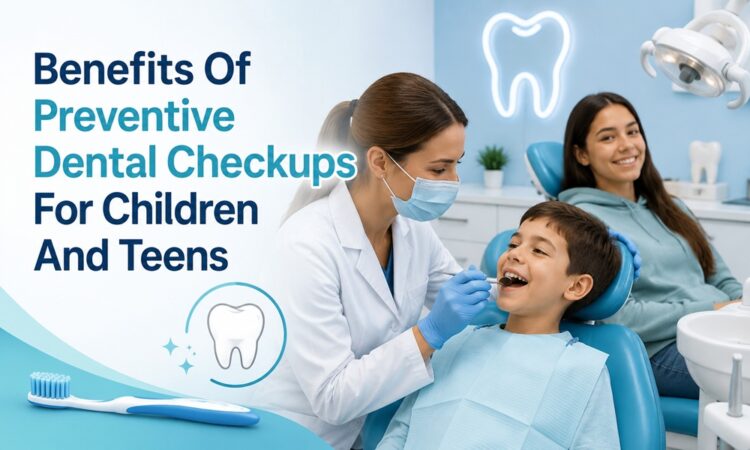
You might be wondering if every six month visit to the dentist at a Port of Spain dental clinic is really necessary for your child. Life is busy, schedules are packed, and if your child is not complaining about tooth pain, it can feel tempting to push that checkup a little further down the calendar. Then the worry creeps in. What if something is brewing under the surface that you cannot see yet.end
That tension is very common for parents and caregivers. You want to protect your child’s health, but you also need to protect your time, your budget, and their comfort. Preventive dental visits can feel like “one more thing” until a cavity, infection, or orthodontic surprise suddenly turns into a bigger problem. The short version is this. Regular preventive dental checkups in childhood and the teen years reduce cavities, protect developing teeth, and save you money and stress over time.
So where does that leave you. It helps to understand what these visits actually do for your child, why they matter long before there is pain, and how they can make your life easier instead of harder.
Why worry about dental checkups if my child’s teeth look fine?
On the surface, your child’s smile might look healthy. They brush most nights, they see you trying to keep sugar under control, and no one is waking up at night with tooth pain. Because of this, it is easy to assume things are going well. The problem is that many dental issues in children and teens start silently. Early cavities, gum irritation, enamel weakness, and bite problems usually do not hurt at first.
Imagine your 9 year old who brushes quickly before school and snacks on crackers, granola bars, and juice. Their teeth look bright in photos. What you cannot see is the sticky film of bacteria in the grooves of those back molars and along the gumline. Over time, that film starts to soften the enamel. By the time your child feels pain, the cavity is often deep, which can mean a bigger filling or even more complex treatment.
There is also the emotional side. A child who has never had regular, calm checkups is more likely to meet the dentist for the first time in an emergency, when they are scared and in pain. Those early experiences can shape how they feel about dental care as adults. Preventive visits build familiarity and trust, which lowers anxiety and makes future treatment smoother if it is ever needed.
Financially, this matters too. A simple cleaning and exam cost far less than fillings, crowns, or urgent visits. When small issues are caught early, they are usually easier, faster, and less expensive to fix. That is one of the core benefits of preventive dental care for kids and teens. You are trading small, predictable visits now for a lower chance of big, unpredictable problems later.
Benefit 1: Fewer cavities and stronger teeth over time
Cavities are still one of the most common chronic conditions in children. The good news is that they are also highly preventable. Regular checkups help in several ways.
First, professional cleanings remove plaque and hardened tartar that brushing and flossing at home often miss, especially in tiny mouths and around braces. Second, your dentist can apply fluoride treatments when appropriate, which strengthen enamel and help it resist acid attacks from food and bacteria. Guidance from trusted sources like the CDC on oral health tips for children also supports what you do at home between visits.
For many children, dental sealants add another layer of protection. These are thin coatings placed on the chewing surfaces of the back teeth, where most cavities start. Research shows that sealants can greatly reduce the risk of decay in those areas. You can read more about how they work in CDC information on dental sealants for kids.
Over months and years, these small steps add up. Your child is more likely to reach their teen years and adulthood with fewer fillings, fewer dental emergencies, and healthier natural teeth.
Benefit 2: Early detection of problems before they become emergencies
Another major benefit of regular dental checkups for children and teenagers is early detection. Teeth and jaws are still developing. That means things can change quickly, sometimes in ways that are hard to see at home.
During a preventive visit, the dentist checks for early cavities, gum inflammation, signs of teeth grinding, and issues with how the teeth fit together. X rays, when needed, help reveal problems between teeth or under the gums. Many issues that would be painful in a year are almost painless to address when spotted early.
Consider a teen who grinds their teeth at night because of stress. A parent might notice only that they seem tired. At an exam, the dentist might see worn edges on the teeth and tight jaw muscles. With a simple night guard and some guidance, you can protect the teeth from further damage and ease discomfort before it turns into chronic pain or fractures.
Early orthodontic concerns are another example. Your dentist can often see when teeth are crowding, when the jaw is not growing evenly, or when habits like thumb sucking are affecting tooth position. Catching these patterns early gives you more choices and often shorter, more effective orthodontic treatment later.
Benefit 3: Building lifelong healthy habits and confidence
The third key benefit is quieter but just as powerful. Preventive checkups help your child build habits and confidence that carry into adulthood. A child who grows up seeing dental visits as normal and manageable is more likely to continue that pattern when they are on their own.
Regular visits give your child a chance to practice sitting in the chair, listening to gentle instructions, and asking questions. They hear the same simple messages about brushing, flossing, and food choices from you and from a healthcare professional. Over time, that repetition sinks in. Brushing becomes something they do for themselves, not only because you remind them.
Professional groups such as the American Academy of Pediatric Dentistry offer guidance on how often children should be seen and what preventive services are recommended at different ages. Their recommendations on the schedule of preventive dental services for kids are built around this idea. Small, regular checkups shape long term health and mindset.
The emotional impact matters too. When a child feels proud of a “no cavity” visit or hears that their brushing has improved, they build a sense of ownership over their health. That confidence can soften some of the fear that many adults still carry from their own childhood dental experiences.
How do the risks and benefits of skipping checkups compare?
You might still wonder how much difference these visits really make. It can help to see the contrast between staying on a preventive schedule and waiting until there is a problem.
| Choice | Short term impact | Likely long term outcome |
|---|---|---|
| Regular preventive checkups | Small, planned time and cost. Mild, manageable anxiety for most kids. | Fewer cavities, earlier detection of issues, lower chance of emergencies, stronger habits. |
| Waiting for pain or visible problems | No visits at first, but higher chance of sudden pain, missed school, and urgent appointments. | More extensive treatment, higher costs, greater fear of dentistry, possible impact on adult teeth. |
When you see it this way, preventive care is not just about cleaning teeth. It is about trading a smaller, predictable investment now for better odds of a calmer, less expensive future for your child.
What can you do right now to protect your child’s smile?
You may not be able to control every snack your child eats or every brush they skip when they are tired. You can, however, take a few focused steps that make a real difference.
- Commit to a regular checkup schedule
Most children and teens do well with exams and cleanings about every six months, although your dentist might adjust that timing based on your child’s specific needs. If it has been more than a year, treat the next visit as a reset. Put it on the calendar, then schedule the following one before you leave the office so you are not relying on memory months later.
- Strengthen home habits with simple routines
Focus on what is realistic for your family. Aim for brushing twice a day with fluoride toothpaste and flossing once a day. For younger children, do a “parent check” where you brush or floss after they do, especially at night. Try to keep sugary drinks and sticky snacks to mealtimes instead of all day grazing. Small, steady changes matter more than perfect routines that no one can keep up.
- Talk openly about dental visits to reduce fear
If your child is nervous, acknowledge it instead of brushing it off. Explain what will happen in simple, honest terms. For example, “The dentist will count your teeth, clean them with a special brush, and show you how to keep them strong.” Avoid using words like “hurt” or sharing scary stories from your own past. If your child has special needs or strong anxiety, call ahead and ask the office how they can help make the visit easier.
Moving forward with more clarity and less worry
Caring for your child’s teeth can feel like one more responsibility in a long list, especially when nothing seems wrong on the surface. Yet those quiet, regular preventive dental checkups are one of the simplest ways to protect their health, their comfort, and your peace of mind.
By understanding the 3 benefits of preventive dental checkups for children and teens, you can make more confident choices. Fewer cavities, earlier detection of problems, and stronger lifelong habits are all realistic outcomes. When you pair a trusted general dentist with consistent home care, you give your child a real advantage that lasts well beyond their school years.
You do not have to do everything perfectly. You only need to take the next small step, schedule the next visit, and keep the conversation going at home. Over time, those choices add up to a healthier, more confident smile for the child or teen you care about.