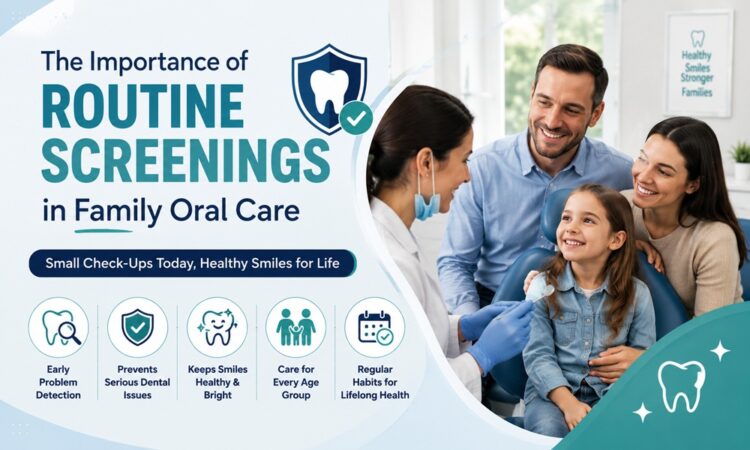
Routine dental screenings protect your family from pain, expense, and regret. Small problems in the mouth grow fast. You often cannot see or feel them until they are severe. Regular visits let a dentist in Dacula, GA find tooth decay, gum disease, infections, and even signs of cancer early. Early care usually means shorter visits. It also means less drilling, fewer extractions, and lower costs. Screenings also help your child build trust with the dentist. That trust reduces fear and tantrums. It also teaches strong habits that last into adulthood. During a routine visit, the dentist checks teeth, gums, tongue, and jaw. X‑rays may reveal hidden problems between teeth or under old fillings. The dentist then gives clear steps for brushing, flossing, and diet. Routine screenings are not extra. They are the base of family oral care.
Why early detection matters for every age
You want to avoid emergencies. Routine screenings catch quiet problems before they explode into sharp pain or swelling. Tooth decay often begins as a soft spot. Gum disease often begins with light bleeding. These early signs are easy to miss at home. A dentist uses bright light, simple tools, and training to find them fast.
Children need this watchful eye as baby teeth come in and fall out. Teens face new risks from sports, sugar drinks, and braces. Adults face wear, stress grinding, and old fillings that start to leak. Older adults face dry mouth from medicines and bone loss in the jaw. Routine screenings give each age group a clear plan that fits that stage of life.
What happens during a routine screening
A screening visit is simple. It follows a clear pattern.
- Review of medical history and medicines
- Check of teeth for decay or cracks
- Check of gums for swelling, bleeding, or pockets
- Screening for oral cancer on tongue, cheeks, and throat
- X rays when needed to see between teeth and bone
- Cleaning to remove plaque and tartar
- Fluoride or sealants for some children
- Short talk about brushing, flossing, and food choices
Each step has a purpose. None of it is for show. The exam and X-rays reveal hidden trouble. The cleaning removes buildup you cannot clear at home. The talk at the end turns the visit into a lesson your family can use every day.
How often should your family get screened?
The American Dental Association explains that many people need a dental visit about every six months. Some people need visits more often if they have a high risk of decay or gum disease.
Use this simple rule.
- Twice a year for most children and adults
- Three or four times a year for people with diabetes or gum disease
- At least once a year for people with full dentures to screen for cancer and sore spots
You and the dentist decide the exact schedule together. The goal is steady care, not a rush when pain starts.
Health problems routine screenings can uncover
The mouth often gives early clues about whole body health. Dentists sometimes see signs that point to other conditions. They may see dry mouth from medicines, acid wear from reflux, or sores that do not heal. The Centers for Disease Control and Prevention explains links between oral health and chronic diseases at this CDC oral health page.
Here are common problems that screenings can reveal early.
- Tooth decay
- Gum disease
- Infections or abscesses
- Oral cancer
- Grinding or clenching damage
- Alignment or bite problems
Early discovery gives you more options. You may choose a small filling instead of a root canal. You may choose deep cleaning instead of surgery. These choices protect both health and savings.
Cost and time: routine visits versus emergency care
Many families wait because of cost fears. That delay often leads to higher costs and more time away from work or school. Short, steady visits usually cost less than rare, urgent ones.
| Type of visit | Typical timing | Common treatments | Impact on family
|
|---|---|---|---|
| Routine screening and cleaning | Every 6 months | Exam, X rays when needed, cleaning | Short visit. Low cost. Little stress. |
| Delayed care | After months or years of no visit | Large fillings, deep cleaning, crowns | Longer visits. Higher cost. Missed school or work. |
| Emergency visit | Sudden pain or swelling | Root canal, extraction, urgent medicines | High stress. High cost. Sleep loss and worry. |
Routine screenings act like a safety net. You still may face a surprise problem at times. Yet the odds of a late night emergency drop when a dentist checks your family on a steady schedule.
Helping children feel safe during screenings
Children remember how dental visits feel. Calm early visits shape that memory. You can lower fear with three simple steps.
- Use plain, gentle words and avoid scary stories
- Schedule visits at a time of day when your child has energy
- Bring a comfort item and praise brave behavior after the visit
You also set the tone. When your child sees you keep your own checkups, that quiet example carries weight. The message is clear. Mouth care is normal. Mouth care is part of life.
Daily habits that support routine screenings
Screenings work best when they match strong habits at home. You control three powerful tools.
- Brushing teeth with fluoride toothpaste two times a day
- Cleaning between teeth with floss or small brushes once a day
- Limiting sugar snacks and sweet drinks between meals
The dentist and hygienist can show your family how to brush and floss with simple steps. They may suggest small changes. You might switch to a soft brush, use a timer, or choose water over soda. Each change protects the work done during screenings.
Taking the next step for your family
You do not need perfect teeth to start. You only need a choice to stop ignoring quiet warning signs. Routine screenings give your family a clear path. They lower pain. They lower cost. They protect smiles that carry through school photos, job interviews, and family gatherings.
If it has been more than six months since the last visit, schedule exams for each person in your home. Write the dates on a calendar. Treat them like any other health appointment that matters. Your future self and your children will feel the difference every time they eat, talk, and smile without fear.