

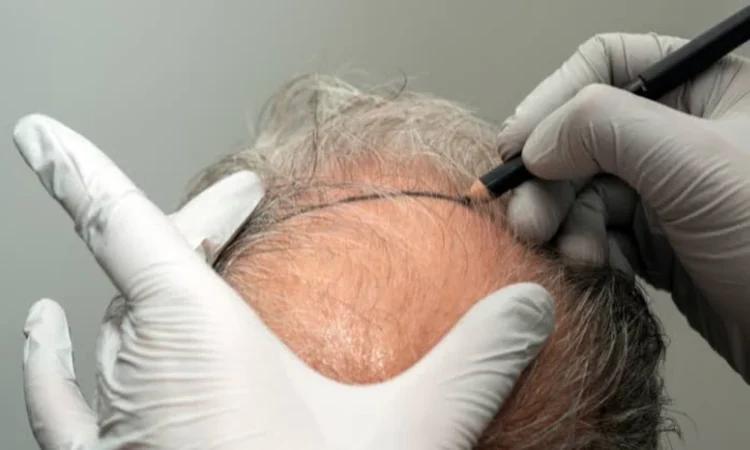
FUT, or follicular unit transplantation, is the oldest modern hair transplant method still in wide use. It removes a thin strip of scalp from the back of the head and divides it into individual grafts. Patients looking into fut hair transplantation thailand often read that the method is outdated. Many experienced surgeons still use FUT because it handles certain cases better than newer methods.
Strengths of the Strip Method
FUT offers several practical advantages.
- A large number of grafts can be moved in a single session.
- Grafts are cut under magnification, which helps protect the follicles.
- The donor area outside the strip is left untouched for future use.
- The back of the head doesn’t need to be shaved.
- Harvesting the grafts is often quicker than with FUE.
The last two points matter most to patients who plan to return to work soon after surgery.
The Linear Scar
The main drawback of FUT is a fine line scar across the back of the head. Its width depends on skin type and how the wound is closed.
Many surgeons use a closure technique that lets hair grow through the scar. With hair kept at a normal short length, the line is usually covered. Scar revision is possible in some cases if the line heals wider than expected.
Patients who shave their heads or use very short clipper settings should take this seriously. For them, the small dot scars from FUE are easier to hide.
Suitable Candidates
FUT tends to suit patients with significant hair loss who need many grafts. It also suits those who keep their hair at medium length or longer. Patients with dense donor hair in a narrow band at the back are often good candidates too.
Future loss is another factor. Hair loss often continues for years after surgery. FUT takes donor hair from a single strip, which leaves the surrounding area intact for a second procedure if needed.
Patients comparing fut hair transplantation thailand with other methods should ask to see photos of healed scars at normal hair length. Photos taken a year or more after surgery give the most accurate picture.
Most transplanted hairs then shed, and new growth usually starts around month three or four. Final results generally appear at about 12 to 18 months.
FUT Within a Long Term Hair Plan
Hair restoration is often planned across many years. A patient may need one procedure in his thirties and another later.
The donor supply is limited, so how it’s used matters. FUT can be combined with FUE in later sessions. Some surgeons place FUE grafts directly into the FUT scar, which makes it even harder to see.
Medical treatment is often part of the plan as well. Medicines that slow hair loss can protect the original hair around the transplant.
The right method depends mainly on preferred hair length and expected future loss. A surgeon who performs both FUT and FUE is in the best position to give a balanced recommendation.

