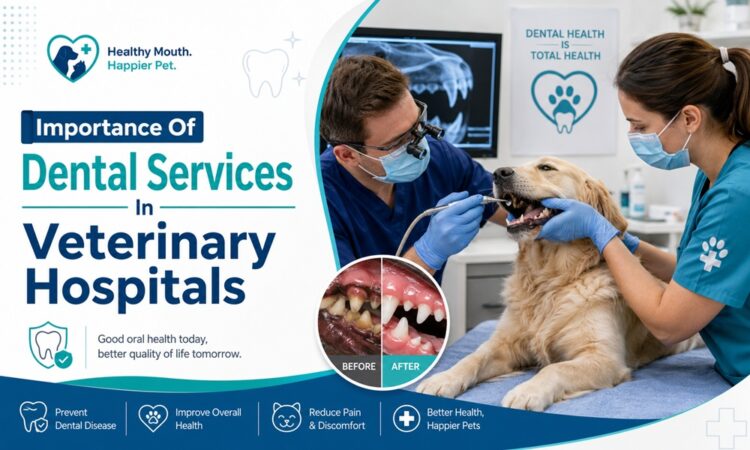
Your pet depends on a healthy mouth to eat, play, and feel safe. Yet many pets live with silent mouth pain. You may not see blood or swelling. You may only notice bad breath or a change in mood. That quiet suffering can lead to weight loss, infection, and heart or kidney problems. Dental care in veterinary hospitals is not a luxury. It is basic medical care that protects your pet’s whole body. During a dental visit, your Oakville veterinarian can uncover hidden disease, remove damaged teeth, and clean away harmful plaque. Then your pet can chew without pain and sleep without constant soreness. Regular dental checks also lower future medical costs. They catch small problems before they grow into emergencies. When you choose strong dental services, you protect your pet’s comfort, health, and lifespan.
Why mouth health matters for the whole body
Pet teeth collect plaque every day. When plaque stays on the teeth, it hardens into tartar. That rough surface holds germs close to the gumline. Gums then pull away from the teeth. Roots and bone start to break down. The mouth fills with germs and damaged tissue.
Those germs do not stay in the mouth. They move into the blood. They reach the heart, liver, and kidneys. Over time this steady insult can shorten life. It can also weaken the body’s ability to fight other disease.
A healthy mouth supports three basic needs. Your pet must eat, groom, and communicate. Mouth pain blocks each need. A pet that cannot chew starts to lose weight. A pet that cannot groom starts to smell and itch. A pet that cannot use its mouth to signal can grow tense or withdrawn.
Signs your pet needs dental care now
Many pets hide pain. You need to watch for small changes. Act when you see any of the signs below.
- Bad breath that returns soon after brushing or dental treats
- Yellow or brown buildup on teeth near the gums
- Red, puffy, or bleeding gums
- Dropping food or chewing on one side only
- Refusing dry food or hard treats
- Pawing at the face or rubbing the mouth on furniture
- Loose or missing teeth
- Swelling around the nose, jaw, or under the eye
- Change in mood such as irritability or hiding
Any of these signs deserve a dental exam in a veterinary hospital. Quick action can stop deep bone loss and cut the risk of organ damage.
What happens during a veterinary dental visit
A full dental visit in a hospital follows a clear path. Each step protects your pet and gives you answers.
First, the team reviews your pet’s history. They ask about eating, chewing, and behavior. They look at the mouth while your pet is awake. This first look guides the plan.
Next, your pet receives anesthesia for a full exam and cleaning. Anesthesia keeps your pet still and free from fear. It also lets the team clean under the gums where disease starts. The American Veterinary Medical Association explains why anesthesia is needed for safe dental care.
During the procedure, the team takes dental X-rays. X-rays show roots and bone that the eye cannot see. The team checks each tooth for pockets, cracks, and bone loss. They clean each tooth above and below the gumline. They then polish the surface so plaque does not stick as fast.
If they find damaged or loose teeth, they may remove them. This step ends chronic pain and infection. At the end, your pet wakes up in a quiet space. The team watches breathing, heart rate, and comfort.
Hospital dental care versus home care
Both hospital care and home care matter. Yet they do different jobs. You need both for strong protection.
| Type of care | What it does | How often | Who performs it
|
|---|---|---|---|
| Veterinary dental cleaning | Removes tartar above and below gums. Finds hidden disease with X-rays. Treats or removes damaged teeth. | Usually every 12 to 24 months. Sometimes, more often for small breeds or high-risk pets. | Veterinary team under anesthesia in a hospital. |
| Home tooth brushing | Slows plaque buildup between cleanings. Protects gums and keeps breath more pleasant. | Daily or at least several times per week. | Pet owner using pet safe toothpaste and brush. |
| Dental diets and treats | Help scrape plaque while chewing. Support but do not replace brushing or cleanings. | As part of the regular feeding plan. | Pet owner under veterinary guidance. |
Home care lowers the speed of the disease. Yet only hospital care can remove hardened tartar under the gums. Only hospital care can treat roots and bones.
How often does your pet need dental services?
The right schedule depends on three factors. Age, size, and health history.
- Puppies and kittens need a first mouth check and talk about home care
- Small dogs often need cleanings more often than large dogs
- Short-nosed breeds may have crowded teeth and faster disease
- Cats can develop painful mouth conditions that need close watching
- Pets with diabetes, kidney disease, or immune problems need tight control of mouth germs
Your veterinarian will suggest a plan based on these points. Many adult pets need a professional cleaning every one to two years. Some need it every six to twelve months.
Costs, savings, and long-term value
Dental services have a price. Yet untreated disease often costs more. A planned cleaning with X-rays and needed extractions has a clear cost and timeline. Late care can mean jaw fractures, hospital stays, and lifelong organ damage.
Studies show that untreated gum disease in pets is linked to heart and kidney problems. The National Institutes of Health shares similar links between gum disease and organ disease in people. The same process of chronic mouth infection and body stress also harms pets.
Three simple steps lower long-term costs.
- Start mouth care early in life
- Keep a regular schedule for exams and cleanings
- Brush at home and use products your veterinarian recommends
This steady plan cuts the risk of crisis visits. It also protects your pet’s comfort every day.
Helping your pet feel safe with dental care
Many families worry about anesthesia or pain. These feelings are natural. Talk with your veterinarian about your concerns. Ask about the anesthesia plan, pain control, and monitoring.
Modern veterinary hospitals use careful checks before anesthesia. They often run blood tests and heart checks. During the procedure, they monitor the heart, blood pressure, and breathing. Afterward, they sent pain medicine and clear home care steps.
You can also help your pet feel ready. Practice gentle mouth handling at home. Touch the lips and lift them for a second. Then reward your pet. Over time, your pet learns that mouth handling is safe.
Taking the next step
If your pet has not had a dental exam within the last year, schedule one soon. If you see bad breath, red gums, or chewing changes, do not wait. Early care in a veterinary hospital can stop pain, protect organs, and extend your pet’s life.
Your pet cannot ask for help. You can. Strong dental services give your pet quiet comfort every time they eat, play, and rest.