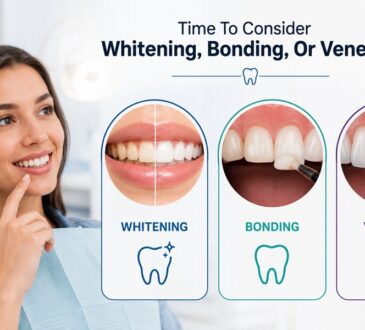
You might be wondering if that small gap between your child’s teeth, or the way their jaw clicks when they chew, is “just a phase” or something more. Maybe you have heard different opinions from other parents, or you are watching your child struggle to bite into certain foods and you feel that quiet knot of worry in your stomach. That is why finding cosmetic dentistry for your family in Fairfield can bring peace of mind and personalized solutions for everyone you love.
This is often how it starts. A tiny concern during a routine checkup, a comment about “keeping an eye on that bite,” and suddenly you are wondering if you have already missed the best time to act. You are not alone in that feeling. Many parents and adults only discover orthodontic problems when they are obvious and harder to treat.
The good news is that you do not have to wait for things to get worse. Your general dentist is often the first person to notice early orthodontic issues, long before they become painful, expensive, or complicated. Regular general dentistry visits can quietly protect your child’s future smile and your peace of mind. In simple terms, early checks mean earlier answers and usually easier treatment.
So where does that leave you? It means those routine cleanings and exams are doing more than just polishing teeth. They are a safety net for the way teeth and jaws grow, and they give you a chance to act early instead of react late.
Why your general dentist is your early warning system for orthodontic problems
Orthodontic issues rarely appear overnight. They build over time. A baby tooth that does not fall out. A jaw that grows a bit too narrow. A thumb sucking habit that lingers longer than it should. On their own these can seem minor, yet together they slowly shape the way teeth line up and how the jaws meet.
The problem is that you do not see your child’s bite from every angle, and you are not trained to spot subtle changes. Your general dentist is. During a routine visit, a general dentist is not just checking for cavities. They are tracking how the teeth erupt, how the jaws are growing, and whether the upper and lower teeth meet in a healthy way.
When this early warning system is missing, problems can grow quietly. A crossbite can cause uneven wear and jaw strain. Crowded teeth can be harder to clean, which increases the risk of decay and gum disease. A deep overbite can lead to chipping or trauma to the front teeth. Emotionally, a child might start to feel self-conscious about their smile or avoid certain foods because chewing feels awkward or uncomfortable.
Because of this tension, you might wonder what “early” really means. According to the American Academy of Pediatric Dentistry, children should have regular checkups starting in infancy and continuing through adolescence, with the dentist monitoring the developing dentition and occlusion over time. The AAPD’s guidance on the management of the developing dentition and occlusion highlights how early evaluation can reduce the need for more aggressive treatment later.
What happens during a general dentistry visit that helps catch orthodontic issues?
You might think, “It is just a cleaning and a quick look, right?” In reality, a well-run general dentistry visit includes several quiet checkpoints that relate directly to early orthodontic detection. This is where routine care and early orthodontic assessment overlap.
Here are some of the things your dentist is watching for.
- Tracking jaw growth and facial symmetry
Your dentist looks at how the jaws relate to each other. Is the lower jaw too far back or too far forward. Is the face growing evenly from side to side. They may notice patterns like an underbite, open bite, or crossbite while these are still mild. These early signs are much easier to manage while a child is still growing.
- Monitoring how baby teeth fall out and adult teeth come in
Baby teeth that stay too long or fall out too early can shift the space meant for adult teeth. Your dentist reviews dental X rays and the sequence of eruption. If they see that permanent teeth are blocked, rotated, or erupting outside the normal path, they can recommend space maintainers or early orthodontic guidance before crowding becomes severe.
The AAPD’s policy on periodicity of examination and preventive services reinforces the value of consistent checkups. Regular visits allow the dentist to compare each appointment to the last, which is how subtle changes are caught.
- Evaluating the bite and function
Your dentist watches your child bite, chew, and speak. They check if the front teeth overlap too much, if the back teeth touch properly, and if the jaw shifts to one side when closing. They also ask about habits like thumb sucking, pacifier use, clenching, or mouth breathing, all of which can affect the way teeth and jaws grow.
- Looking beyond appearance to long term health
It is easy to think orthodontics is only about straight teeth, yet your dentist knows the deeper story. Crowded teeth are harder to clean. Teeth that do not meet properly can strain jaw joints and muscles. When general dentistry focuses on function, not just looks, you get a clearer picture of what truly needs attention and what can simply be watched over time.
Early checks vs waiting: what is the real impact?
So, is it really worth acting early, or is it safer to “wait and see” until all the adult teeth are in. To help you sort through that, here is a simple comparison that reflects what many families experience when they rely on general dental care for early orthodontic detection versus waiting until problems are obvious.
| Approach | What it looks like | Common Outcomes |
|---|---|---|
| Early monitoring with a general dentist | Regular checkups from early childhood, dentist tracks growth, takes X rays when needed, and refers to an orthodontist at the right time. | Issues caught sooner. Often shorter and simpler orthodontic treatment. Lower risk of extractions. Less emotional stress because changes are gradual and explained. |
| “Wait and see” until problems are obvious | Visits are occasional. Orthodontic concerns noticed only when teeth are clearly crooked or the bite is off. | More crowding or jaw mismatch. Treatment may take longer and may be more complex. Higher chance of needing tooth removal or jaw correction. |
| Skipping regular dental care | Only visiting for pain or emergencies. No ongoing tracking of growth. | Orthodontic issues discovered late. Higher risk of cavities and gum problems. Treatment can feel rushed, expensive, and overwhelming. |
When you see it this way, the role of a general dentist in early orthodontic detection is less about “extra” care and more about smart, steady prevention. It is about making sure you are not surprised later.
Three practical steps you can take right now
Knowing all of this, you might be asking, “What should I actually do next.” Here are three concrete steps that can make a real difference, starting today.
- Commit to regular general dentistry checkups
If your child does not have a consistent dental home yet, make that your first move. Aim for visits every six months, or as recommended by your dentist, so growth and development can be watched over time. Bring up any concerns you have about crowding, spacing, or jaw position, even if they seem small. A simple question like “Are you seeing any early orthodontic issues” opens the door to a helpful conversation.
- Ask for a growth and bite review, not just a cavity check
- “Are the adult teeth coming in where you expect them to.”
- “Do you see any signs of crowding or spacing that concern you.”
- “Is my child’s bite putting extra pressure on any teeth or joints.”
- “Do we need to watch any habits that could affect their bite.”
Most dentists are glad to explain their findings in plain language when invited to do so. This turns a routine visit into a clear plan.
- Be open to an orthodontic referral at the right time
If your dentist recommends an orthodontic evaluation, it does not always mean treatment must start right away. Sometimes the orthodontist will simply monitor growth, then choose the best moment to step in. Early evaluation often gives you more options, not fewer. It allows you to plan emotionally and financially, instead of scrambling once a problem becomes urgent.
Moving forward with more clarity and less fear
It is normal to feel uneasy when you hear words like “orthodontic issues” or “jaw growth.” You care about your child’s comfort, confidence, and future, and you do not want to make a wrong choice. The reassuring truth is that you are not expected to figure this out on your own.
By making consistent use of general dentistry, you give yourself a guide, someone who follows your child’s teeth and jaws over the years and knows when it is time to act and when it is safe to simply watch. Those routine visits are not just checkboxes. They are quiet moments where early problems can be caught, questions can be answered, and long term issues can be softened or even avoided.
You deserve clear information, steady support, and a path that does not rely on waiting for things to go wrong. Regular care with a trusted general dentist is one of the simplest ways to protect your child’s smile and your own peace of mind.