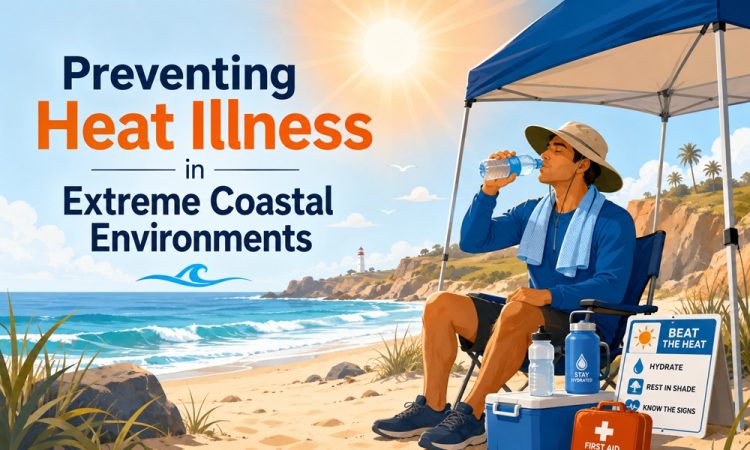
The coast is a masterpiece of nature where sea breezes, sparkling water, and limitless horizons altogether shape an atmosphere of peace and relaxation. Yet hidden beneath this charming natural beauty lies a complex environmental concern.
Adventurers in extreme coastal areas face intense heat, high humidity, and constant sunlight, which can strain the body’s ability to stay cool and hydrated. In these harsh surroundings, hydration becomes more than a healthy habit—it becomes an integral life survival skill.
Mexico cruises give you an amazing opportunity to explore the sunny shorelines, cultural richness, and beautiful views of the widely spread ocean. It offers relaxation and maintains your sound health while discovering nature more closely and realistically.
When the Shore Turns Against the Explorer
At first glance, seaside areas feel cooler than interior deserts. The breeze feels soothing, the air seems more compact, and the ocean promises peace. Yet in harsh conditions, this vision can be fatal. High humidity controls the body’s natural cooling system by slowing sweat evaporation. At the same time, bounced sunlight quietly adds to heat stress, leaving travelers uninformed of how much heat they are sucking in.
How Hydration Is Known As Adventure Fuel
Just taking simple water is not always adequate in extreme shoreline climates. You need to maintain enough fluids for your body to keep working better. The body starts to lose electrolytes—sodium, potassium, and magnesium—that perform muscle function and temperature control.
Without having enough of these in the human body, fatigue and heat illness can occur more quickly than expected, especially when you are under the sun during long exposure activities.
Initial Symptoms of Heat-Related Illness
Heat-related stress generally increases with time. Common alarming signs include:
- Constant headache or dizziness
- Muscle cramps or unexplained tiredness
- Dry mouth even with enough water intake
- Irritability, uneasiness, or less concentration
- Nausea or a clear loss of energy
Failing to overcome these early signs can lead to a serious health issue such as heat exhaustion or, in severe cases, heat stroke. Considering how to manage enough fluid intake, understand early warning signs, and get familiar with coastal conditions can make a big difference between an exciting adventure and a serious medical condition.
Ways to Prevent Heat Illness in Extreme Coastal Environments
Whether wandering along hidden shores, paddling through coastal waters, exploriang rugged oceanfront cliffs, or embarking on a cruise excursion, travelers often undervalue how rapidly dehydration and heat-related illness can arise.
The collective impacts of physical activity, reflected sunlight from sand and water, and humid air can silently extract energy and necessary fluids well before signs become clear. As ocean edge discovery continues to attract active travellers from all over the world, learning the art of outdoor hydration has never been more essential.
Here are some beneficial ways to adapt to preventing heat-related sickness.
Start Hydrated Consistently, Not Occasionally
Prevention starts before you step into any activity. If you’re already slightly dehydrated, this will affect you quickly. Drink enough water in the time leading up to your adventure .
Waiting until your body needs water is a common mistake. In hot climates, thirst often lags behind actual fluid loss. Take little, frequent sips of water throughout your exploration rather than massive amounts at long intervals.
Maintain Electrolytes
In humid seaside heat, sweating doesn’t only lead to water deficiency—it also leads to the loss of sodium, potassium, and other minerals that regulate body temperature. Replacing these electrolytes using solutions, tablets, or salted snacks can restore balance and minimise the risk of early fatigue.
Dress Up for Heat
Clothing plays a vital role in controlling heat. Choose light, breathable, and heat-friendly colored fabrics that repel sunlight instead of absorbing it. UV-protective clothing and hats also help reduce heat exposure and keep the body cooler.
Optimize Shade and Timing
Plan outdoor activities during the cooler time of the day—early morning or late afternoon are ideal. During peak heat hours, find shade or set rest periods to allow your body temperature to stabilize.
Don’t Rely on the Wind
A coastal breeze can create a wrong sense of coolness. Even when you feel relaxed, your body may still be losing fluids rapidly. Always keep yourself hydrated based on time and activity level.
Balance Your Activity
Excessive physical activity is a root cause of being ill due to heat. In hot conditions, pacing yourself with steady movement is safer than intense bursts of activity.
Consider Regular Cooling Breaks
Small, frequent breaks in shaded or cool areas help your body reset. Cooling down on and off is more effective than pushing until exhaustion.
Create a Backup Hydration Plan
Always carry more water than you think you’ll need on the way. In far coastal regions, facilities to refill spots may be limited. A water reservoir pack or extra water bottles can make a clear difference.
Conclusion
Adventure along the sea is not just about exploring landscapes—it is about aligning with them. The same atmosphere that holds beauty and freedom can also bring tough challenges that test human limits.
Therefore, staying hydrated becomes more essential than physical maintenance. It becomes a strong realization of the body, the weather, and the soft conversation between them. In extreme coastal environments, those who stay well hydrated just don’t merely survive the journey; they experience it fully.