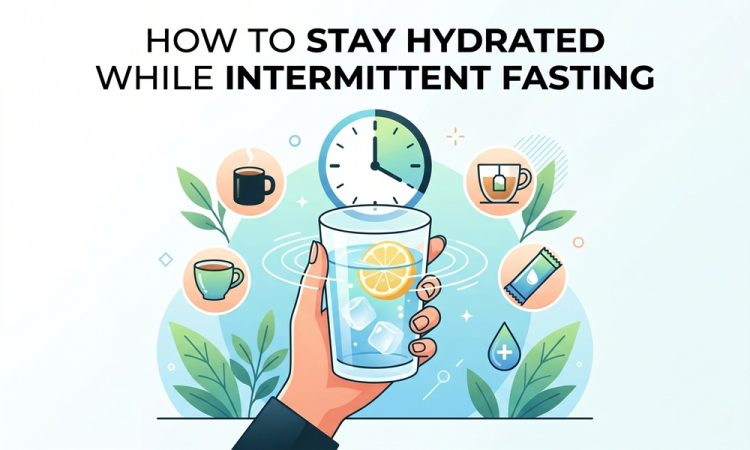
Hydration on an intermittent fasting day is more complicated than just adding more water. On a regular day where you eat normally, about 20% of the fluid you consume actually comes from the food itself—especially fruits, cooked grains, and veggies like spinach or watermelon. When you’re fasting or eating low-calorie, you are naturally reducing your intake of these hydrating foods. At the same time, insulin levels tend to fall, which can cause the kidneys to excrete more sodium and water.
How you feel throughout the day is based on this initial rapid shifting of minerals and fluids. Without properly managing this shift, you’ll experience headaches, dizziness, fatigue, muscle cramps, and dry mouth. All of these indicate that your normal hydration assumptions are being violated due to a new metabolic state. Understanding the dynamics of fluid management can help you avoid some pitfalls. This article will discuss what to drink, the concepts of safe hydration on a daily basis, the addition of electrolytes, and when to stop fasting and talk to a doc so that you can stay safe.
Why Hydration Is Different on Intermittent Fasting Days
Your hydration needs vary during an intermittent fasting routine because your body chemically changes the way fluids are stored and excreted.
- Reduced Food-Based Water: First of all, the fluid intake of a regular day is heavily dependent on the ingestion of meals, as about 20% of daily fluids come from eating—especially cooked grains, fruits, and watery food/fluids like soups.
- Glycogen Depletion: Second, your body also fasts by depleting its glycogen reserves or carbohydrate stores. Every gram of glycogen is bound with 3–4 grams of water. Your body uses the glycogen stored energy, and in the process, it dumps water too. This short-term effect causes you to excrete water initially.
- Insulin and Sodium: Third, your blood insulin level drops, which means your kidneys start to dump sodium. Insulin usually tells your body to retain sodium. As it drops, your kidneys natriurese—getting rid of a whole bunch of sodium and water at first.
- Lifestyle Factors: Last, compounding lifestyle factors come into play. Exercising on top of this routine, along with hot weather, creates even more complex scenarios. Other factors include caffeinated beverages such as coffee, which may increase urination or worsen jitters for some people.
Common Signs You May Not Be Hydrating Well During a Fast
While mild thirst is an expected normal part of our lives, more severe issues are indicative of dehydration and pre-electrolyte imbalance. Your body uses fluids and minerals to communicate internally, and without replenishing them, you get stress signals and the body acts.
Common signs that you’re not hydrating properly include the following:
- Headaches and frontal pounding pain
- Dizziness and shakiness
- Fatigue, general weakness, with brain fog
- Dry mouth and cravings
- Dark yellow urine with a strong odor
- Muscle cramps—especially in legs and deep tendons
- Rapid heart rate with palpitations
Some fasting-related symptoms come from not drinking enough water, while others may be connected to low electrolyte intake—especially if you are sweating, exercising, drinking a lot of plain water, or fasting for longer windows. If headaches, fatigue, dizziness, or muscle cramps keep showing up during your fasting routine, it may help to compare fasting-friendly electrolyte options. This guide to the best electrolytes for fasting explains what to look for when choosing an option that supports hydration without unnecessary sugar or calories.
Do not ignore symptoms that are too severe, that last for hours, or that seem to intensify even when you hydrate.
How Much Water Should You Drink on a Fasting Day?
There’s no perfect single answer to “how much water should you drink during a fasting day?” as individual hydration needs vary drastically based on body size, activity level, local environment, sweat rate, coffee usage, medications taken, health conditions, and fasting durations.
Instead of consuming all your fluids in one sitting, aim for proactive consumption throughout the entire day. This guide on preventive health goes into the details of individualizing approaches based on real-time feedback.
- Wake-up call: Drink immediately upon waking—this offsets the fluid lost during your nightly respirations before drinking coffee and other things.
- Consistency: Keep water close by so you can sip regularly during a fasting window—try to get ahead of thirst so it doesn’t become distracting.
- Environmental adjustments: Drink more fluids if you’re exercising or exposed to sweltering weather.
- Visual cues: A simple visual metric is to keep your urine the color of pale lemonade—dark and strongly aromatic urine is indicative of underhydration.
- Avoid overhydration: Avoid dangerous overhydration—if you experience cramps and fatigue, don’t hydrate aggressively with too much water, as it dilutes the sodium levels dangerously low, a risk state known as hyponatremia.
What Can I Drink on a Fasting Day?
The base recommendations for fasting-friendly beverages are any calorie-free or even low-calorie liquids that don’t have sugar or cause an insulin spike. Sugar sports drinks, juices, blended beverages, milk+coffee drinks, or other high-caloric drinks would typically break a fast.
Water: Plain, unflavored water should be the absolute foundation of your daily fluid intake. It fills the gaps between meals while also serving as a hunger suppressant.
Sparkling Water: Carbonated water can serve as a mental state changer during tough fasting windows. Just make sure it’s unsweetened, and don’t use flavor essences that may be concealing artificial sweeteners.
Black Coffee: Clean, organic black coffee can be consumed strategically for a stimulant effect. But have it strictly black—no milk or cream—and don’t overconsume too much (usually limited to 1 cup a day); otherwise, you risk severe jitters, digestive issues, and excessive mineral dumping.
Unsweetened Tea: Traditional herbal, green, and black teas, as well as Yerba Mate during long windows, work well as hunger suppressants. Again, n=0 for sweeteners.
Mineral Water: High-quality mineral water with lots of dissolved minerals like MgSO4 (magnesium sulfate) can be great for occasional use, providing a bit of a digestive laxative effect.
Electrolyte Drinks: Zero or low-calorie electrolyte powders can complement sodium and potassium replacement.
When Should I Add Electrolytes During a Fast?
Electrolytes are biologically critical minerals, namely sodium, potassium, and magnesium, which serve as the body’s internal electrical conductor. They are responsible for foundational fluid balance within the system, proper muscle contractions, and critical nerve signaling between the brain and heart.
For more casual, shortened fasts that are paired with light walking routines, electrolyte mineral supplements as a beverage aren’t immediately critical. But there are scenarios where they become very relevant.
You might consider electrolytes as an addition to your fasting routine if:
- You fast for longer windows progressively, such as a 24-hour fast or a 1-meal-a-day (OMAD) strict protocol.
- You do long/excessive exercise while fasting.
- You sweat excessively due to your metabolic rate or workouts.
- You live, work, or train in tropical climates.
- You get consistent frontal headaches, dizzy spells, and extreme fatigue with muscle cramps throughout the day.
- You drink a ton of plain water but feel depleted overall.
In fact, in these situations, too much plain water intake may make these symptoms worse by further diluting the sodium levels in your bloodstream; mineral replacement is the safer choice.
How Do I Decide on a Fasting-Appropriate Electrolyte?
Navigating all the commercial electrolyte powders gets confusing, and they aren’t all designed ideally for fasted states. Many of them are sugar-heavy drinks masquerading as powders. When looking at an electrolyte formula, prioritize the following elements based on your fasting goals where minerals are desired without otherwise impacting the metabolic state:
- Sodium for fluid balancing: Obviously, this is the primary mineral lost with sweating and fasting. The right sodium amount varies depending on fasting length, activity level, sweat loss, climate, and overall diet.
- Potassium for muscle/nerve function: Potassium can support muscle and nerve function, but supplementation is not appropriate for everyone, especially people with kidney disease or certain blood pressure medications.
- Magnesium for cramping: Modest doses of magnesium combat deep tendon cramping, but note that excessively high doses of magnesium citrate tend to be distressing from a digestive standpoint during a fast.
- Low/No sugar: Make sure the product has low/no calories and doesn’t contain any form of fructose or pure sugar.
- No fluff: Check that the brand actually uses clear, transparent labeling and doesn’t have a proprietary blend filler.
- Fasting-friendly flavors: Simple flavors that are fasting-safe increase the chance that you’ll actually sip it voluntarily without having to consume a fully sweetened, insulin-spiking meal.
Hydration Tips for Exercise + Hot Weather + Longer Fasts
Certain intense environmental factors heavily impact systemic fluid volumes at a rapid pace. Proactive habits are required to maintain a safe metabolic state.
- Pre-hydrate thoroughly with 16–20 ounces of fluids 1–2 hours before exercise.
- Sip some fluids during and after exercise—ensure you have some fluids immediately after too.
- Electrolytes are useful again post-sweating, but most importantly sodium.
- Don’t rely on coffee alone in the mornings—balance it with water during your fasting window.
- Drink more fluids and salt when exposed to hot weather.
- Gradually step into long fasts; be cautious.
- Break fasts with hydrating/mineral-rich foods like leafy greens, soups, beans, nuts, fruit, and avocado to rebuild cellular stores.
When to Stop Fasting or Talk to a Doctor
Intermittent fasting induces intense metabolic shifts, and certain populations should avoid or mitigate the approach entirely. Please talk to a doctor if you fall into these categories:
- Type 1 and Type 2 Diabetes
- Kidney disease or heart disease
- Taking blood pressure medications or diuretics
- Pregnancy / Lactation
- Eating disorder history
- Frequent fainting tendencies
- Chronic medical conditions
- Prolonged fasting regimes in general
If you’re actively fasting and encounter acute physical distress, please break the fast and seek medical evaluation. Stop fasting immediately for:
- Fainting
- Chest pain
- Severe confusion or delirium
- Severe sudden weakness
- Vomiting or diarrhea
- Racing heart palpitations
- Severe dizziness or vertigo
- Symptoms that don’t improve even after slow consumption of steady food and fluids
Simple Daily Hydration Routine for an Intermittent Fasting Day
Morning
8–12 ounces of plain or low-salt water immediately upon waking, before any caffeine.
Fasting Windows
Keep strictly unsweetened beverages close by. Sip regularly to take the edge off the hunger waves.
Before Exercise
Pre-hydrate with substantial water intake 1–2 hours before exercise.
After Sweating
Replenish essential baseline fluids and electrolytes immediately after intense workouts.
Eating Windows
Focus on hydrating produce and dense, mineral-rich whole foods.
Before Bed
Perform a urine color check; enjoy mild fluid intake, but avoid excess consumption right before bed.