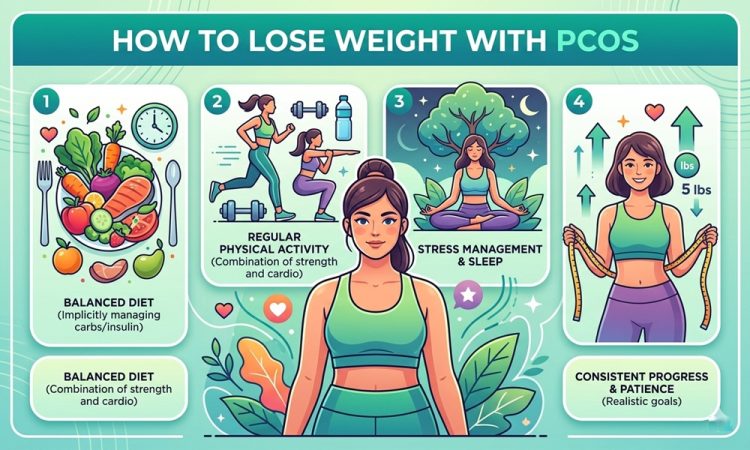
If you have PCOS and feel like you’re doing everything right but the scale won’t budge — you’re not imagining it. PCOS genuinely does make weight loss harder. It’s not a willpower problem. It’s a hormonal and metabolic problem.
The good news? Once you understand why your body resists weight loss with PCOS, you can work with your biology instead of against it.
Why Is It So Hard to Lose Weight with PCOS?
Polycystic ovary syndrome (PCOS) affects roughly 20% of women worldwide. It’s a hormonal condition that disrupts how your ovaries work — and its effects go far beyond your cycle.
Here’s what’s working against you:
Insulin Resistance
Up to 70% of women with PCOS have some degree of insulin resistance. This means your cells don’t respond properly to insulin, so your body pumps out more and more of it.
High insulin signals your body to:
- Store more fat (especially in the belly)
- Increase androgen (male hormone) production
- Suppress ovulation
- Intensify cravings for sugar and refined carbs
Elevated Androgens (Hyperandrogenism)
High testosterone and DHEA-S levels make it easier to gain weight and harder to lose it. They also cause PCOS belly — the characteristic abdominal weight gain many women experience.
Chronic Inflammation
PCOS is a pro-inflammatory condition. Research shows CRP levels are 96% higher in women with PCOS compared to controls — regardless of body weight. Chronic inflammation further drives fat storage and worsens insulin resistance.
Hormonal Hunger Signals
Estrogen and progesterone imbalances in PCOS disrupt the hunger hormones leptin and ghrelin, making you feel less full after eating and more prone to cravings.
Slow Metabolism
Women with PCOS often have a lower resting metabolic rate than women without it, meaning they burn fewer calories at rest.
The Good News: Just 5–10% Weight Loss Makes a Big Difference
Here’s the most important fact to know:
Losing even 5% to 10% of your body weight can:
- Restore or regulate your menstrual cycle
- Improve ovulation and fertility
- Reduce androgen levels
- Improve insulin sensitivity
- Lower inflammation markers
- Reduce the risk of type 2 diabetes and heart disease
You do not need to reach an “ideal” weight for these benefits to kick in. Small, sustainable progress matters.
What to Eat: The Best Diet for PCOS Weight Loss
There is no single “PCOS diet.” But research consistently supports eating patterns that stabilize blood sugar and reduce inflammation. Here’s what works:
Prioritize Low-GI Carbohydrates
Not all carbs are equal. Women with PCOS experience larger blood sugar spikes from the same amount of sugar compared to women without the condition. This makes choosing the right carbs essential.
Choose these:
- Oats (rolled or steel-cut)
- Quinoa
- Brown rice
- Whole wheat bread and pasta
- Sweet potatoes
- Lentils and legumes
- Barley
Limit or avoid:
- White bread and white rice
- Pastries, cakes, and cookies
- Sugary drinks and fruit juices
- Packaged snacks and cereals
- Fast food
Eat Enough Protein at Every Meal
Protein stabilizes blood sugar, reduces cravings, preserves muscle mass, and keeps you full longer.
Best protein sources for PCOS:
- Eggs
- Chicken and turkey
- Fish and salmon (anti-inflammatory omega-3s)
- Greek yogurt
- Paneer, tofu, tempeh
- Lentils, chickpeas, and beans
- Cottage cheese
Aim for protein at every meal — especially breakfast. A protein-packed breakfast reduces androgen levels and improves insulin sensitivity throughout the day.
Load Up on Fiber
A 2019 study linked higher fiber intake to lower insulin resistance, less total body fat, and less belly fat in women with PCOS specifically.
Best fiber sources:
- Leafy greens (spinach, kale, chard)
- Broccoli, cauliflower, Brussels sprouts
- Beans and lentils
- Chia seeds and flaxseeds
- Apples, pears (with skin), berries
- Oats
Target: 25–30 grams of fiber per day. Most people get only 15g.
Include Healthy Fats
Healthy fats reduce inflammation, support hormone production, and improve satiety. They do not cause weight gain when eaten in appropriate amounts.
Best fats for PCOS:
- Olive oil
- Avocado and avocado oil
- Fatty fish (salmon, mackerel, sardines)
- Walnuts and almonds
- Chia and flaxseeds
Avoid: fried foods, processed vegetable oils (corn, soybean), and trans fats.
Support Your Gut Microbiome
Emerging research shows the gut microbiome directly influences insulin sensitivity, estrogen metabolism, and inflammation in PCOS. A poor gut microbiome can worsen symptoms.
Gut-friendly foods:
- Probiotic-rich foods (plain Greek yogurt, kefir — if tolerated)
- Prebiotic foods (garlic, onion, leeks, asparagus, oats)
- Fermented vegetables (in moderation)
The Best Overall Dietary Patterns for PCOS
| Diet Pattern | Why It Works | Evidence Level |
|---|---|---|
| Mediterranean Diet | Reduces inflammation, balances blood sugar, sustainable | Strong |
| DASH Diet | Significantly improves insulin resistance (HOMA-IR) and fasting insulin | Strong |
| Low-GI Diet | Targets insulin spikes directly | Moderate |
| Low-carb / Ketogenic | Rapid insulin reduction, but harder to sustain | Moderate |
| Vegan / Plant-based | Reduces androgens, anti-inflammatory | Moderate |
Johns Hopkins and the 2023 International PCOS Guideline both recommend the Mediterranean diet as the top evidence-based choice.
What to Avoid
These foods worsen insulin resistance and inflammation in PCOS:
- Fried foods (chips, fried chicken, French fries)
- Sugary drinks (soda, juice, energy drinks, sweetened coffee)
- Processed meats (bacon, sausage, deli meats)
- Refined sugar (candy, pastries, ice cream)
- Alcohol (disrupts hormones and sleep)
- Ultra-processed packaged snacks
Exercise for PCOS Weight Loss: What the Research Says
Exercise improves insulin sensitivity, reduces androgen levels, and supports weight loss — but the type of exercise matters.
Strength / Resistance Training — The #1 Priority
Building muscle is the most effective strategy for PCOS weight loss. More muscle = more insulin receptors = better blood sugar control at rest.
- Aim for 2–3 strength sessions per week
- Focus on compound movements: squats, deadlifts, rows, lunges
- Even bodyweight training at home works
Walking — Underrated and Highly Effective
Brisk walking after meals is one of the most powerful ways to lower blood sugar spikes. Even a 10–15 minute walk after eating can significantly reduce insulin response.
Aim for 7,000–10,000 steps per day.
Cardio — Helpful, But Not the Whole Story
Moderate cardio (cycling, swimming, jogging) improves cardiovascular health and burns calories. However, excessive cardio can raise cortisol, which worsens insulin resistance and belly fat.
- Aim for 150 minutes of moderate cardio per week (CDC recommendation)
- Avoid over-training
Yoga and Mind-Body Exercise
Yoga has been shown to reduce cortisol and testosterone levels in women with PCOS, and may improve menstrual regularity and mood.
Sleep, Stress & PCOS: The Overlooked Factors
Sleep
Insufficient sleep raises cortisol, worsens insulin resistance, and increases hunger hormones. Women with PCOS already have disrupted sleep patterns more often.
- Target: 7–9 hours per night
- Consistent sleep and wake times matter
- Treat sleep apnea if present (more common in PCOS)
Stress Management
Chronic stress raises cortisol, which:
- Promotes belly fat storage
- Raises blood sugar
- Worsens androgen levels
Strategies that help: meditation, yoga, time in nature, therapy (especially CBT), journaling, reducing overcommitment.
Supplements That May Help PCOS Weight Loss
Always consult your doctor before starting supplements.
| Supplement | What It Does | Evidence |
|---|---|---|
| Myo-Inositol | Improves insulin sensitivity and hormone regulation | Strong — consider as a first-line supplement |
| Vitamin D | Deficiency is extremely common in PCOS; correcting it improves insulin resistance | Moderate-Strong |
| Magnesium | Helps with insulin sensitivity and sleep | Moderate |
| Omega-3 (Fish Oil) | Reduces inflammation and triglycerides | Moderate |
| Berberine | Improves insulin sensitivity (compared to metformin) | Moderate |
| NAC (N-acetylcysteine) | Antioxidant, may improve insulin and androgen levels | Moderate |
| Spearmint Tea | May reduce androgen levels | Preliminary |
Medications for PCOS Weight Loss
If lifestyle changes aren’t enough, your doctor may recommend:
Metformin
The most commonly prescribed medication for PCOS. It improves insulin sensitivity, reduces androgen production, and can help regulate periods. Mild appetite suppression as a side effect often supports weight loss.
GLP-1 Receptor Agonists (Ozempic, Wegovy, Mounjaro)
The newest and most powerful tools available. Research shows:
- Semaglutide (Ozempic/Wegovy): 14.9–17.9% weight loss over 68 weeks
- Tirzepatide (Mounjaro/Zepbound): up to 22.9% weight loss after 1 year
GLP-1 medications also reduce ovarian cysts, lower androgen levels, and improve menstrual regularity in PCOS — making them particularly well-suited for this condition.
Birth Control Pills
Help regulate periods and reduce androgens (and therefore acne and hair growth). Do not directly cause weight loss but improve hormonal balance.
Spironolactone
An anti-androgen medication that helps with hair loss, acne, and in some cases supports weight management.
PCOS Belly: Can You Lose Abdominal Fat?
Yes — but spot reduction isn’t possible. You can’t choose where you lose fat first.
What helps specifically with PCOS belly:
- Resistance training (builds muscle, reduces visceral fat)
- Reducing refined carbs and sugar (directly targets insulin-driven belly fat)
- Getting 7–9 hours of sleep
- Managing cortisol (stress)
- Taking Myo-Inositol
- Considering metformin or GLP-1s if lifestyle alone isn’t working
The Social Media Problem: Don’t Fall for the Hype
There are almost half a million posts on Instagram under #pcosdiet and over 470 million TikTok views. Much of this content is misleading, profit-driven, or outright harmful.
What Oxford University researchers found:
- No evidence that any influencer-promoted PCOS diet is superior to others
- Keto, anti-inflammatory, and vegan diets have been studied — none is definitively “best”
- The more weight lost, the more symptoms improve — regardless of which diet achieved it
- Unsupervised use of weight loss drugs promoted by influencers raises significant safety concerns
The bottom line: the best diet for PCOS is the one you can actually stick to long-term while keeping blood sugar stable and inflammation low.
PCOS Weight Loss Timeline: What to Expect
| Timeframe | What to Expect |
|---|---|
| Week 1–2 | Reduced bloating, more energy, better blood sugar control |
| Month 1 | 2–4 lbs loss (if caloric deficit maintained), improved mood |
| Month 2–3 | Possible return of more regular periods, reduced cravings |
| Month 3–6 | Measurable hormonal improvements at 5% body weight loss |
| 6–12 months | Continued improvement in fertility, androgen levels, metabolism |
Frequently Asked Questions
Why can’t I lose weight with PCOS even with diet and exercise? Insulin resistance and inflammation make your body more resistant to fat loss than average. You may need to be more consistent, address sleep and stress, and consider medical support like Metformin or Inositol.
Is intermittent fasting good for PCOS? It’s not recommended as a first-line approach. Some women tolerate it, but others experience blood sugar crashes and increased cortisol. Consult your doctor before trying.
Does PCOS get worse if you don’t lose weight? Excess weight worsens insulin resistance, which worsens PCOS. But even normal-weight women have PCOS — weight is a factor, not the only one.
How much weight loss is needed to see results with PCOS? As little as 5% of body weight can trigger meaningful hormonal and metabolic improvements.